

Perimenopause Explained: Early Hormonal Changes Women Should Know
Perimenopause is a natural life stage, yet it is often misunderstood or overlooked. Many women begin experiencing physical or emotional changes years before menopause. However, they may not realize that these shifts are related to early hormonal transitions.
Understanding perimenopause helps women recognize these changes as part of their natural hormonal evolution. This guide explains what is perimenopause, early signs of perimenopause symptoms, and crucial perimenopause hormone changes.
This article is intended for general educational purposes only and does not replace professional medical advice, diagnosis, or treatment.
What Is Perimenopause?
So, what is perimenopause?
Perimenopause is the transitional phase leading up to menopause. During this time, the body gradually begins shifting away from regular reproductive hormone patterns. Menopause itself is defined retrospectively—after 12 consecutive months without a menstrual period—while perimenopause can begin several years earlier.
This stage is characterized by hormonal variability rather than complete hormone loss. This is why symptoms can feel inconsistent or unpredictable.
When Does Perimenopause Typically Begin?
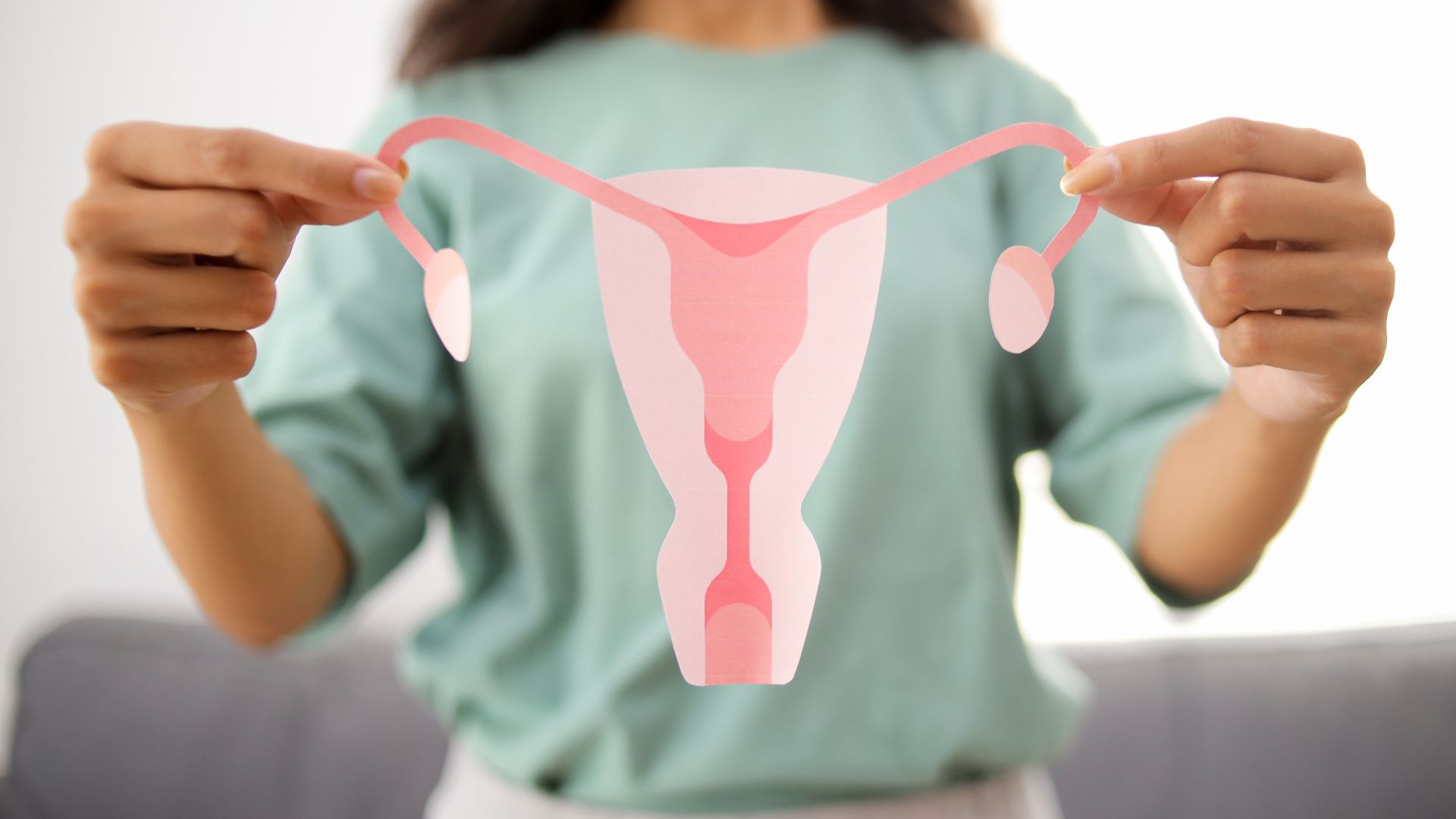
Perimenopause symptoms commonly begin in a woman’s 40s, though some experience perimenopause hormone changes earlier or later. The length of this transition varies, with some women moving through it relatively quickly and others experiencing changes over a longer period.
Because timing differs widely, perimenopause is not defined by age alone. Symptom patterns, menstrual changes, and overall health context all play a role in how this stage is experienced.
What Hormonal Changes Occur During Perimenopause?
The most notable hormonal change during perimenopause is fluctuation, not steady decline. Estrogen and progesterone levels may rise and fall unevenly, which can affect how the body responds from month to month.
These fluctuations are a normal part of the transition but can influence systems related to energy regulation, sleep, mood, and temperature control. The variability of hormone levels is one reason perimenopause can feel confusing or difficult to identify.
Early Signs and Symptoms Women May Notice

Perimenopause does not look the same for everyone. Some women experience noticeable symptoms early, while others notice only subtle changes.
Common early signs of perimenopause may include changes in menstrual cycle regularity, shifts in sleep patterns, and differences in energy levels. It could also include mood variability or changes in how the body responds to stress. These symptoms are not exclusive to perimenopause, which is why professional evaluation is important when changes persist or affect quality of life.
Why Perimenopause Is Often Misunderstood
“What is perimenopause?” is a common question because perimenopause is frequently misunderstood. Symptoms may appear before menstrual cycles stop, and changes can be intermittent. Many women are told they are “too young” for menopause-related changes, even though perimenopause precedes menopause by design.

In addition, perimenopause symptoms may overlap with those of stress, lifestyle changes, or other health conditions. This overlap can delay recognition and lead to frustration when symptoms are dismissed or unexplained.
How Perimenopause Fits Into the Hormonal Life Stages
Perimenopause is one phase within a broader continuum of women’s hormonal health. It represents a transition rather than an endpoint, eventually leading into menopause and postmenopause.
Understanding what is perimenopause helps provide context for later stages and allows women to better recognize patterns. Awareness of this stage can support more informed discussions with healthcare providers over time.
When to Seek Professional Guidance
Experiencing perimenopause hormonal changes does not automatically require treatment. However, professional guidance may be appropriate when symptoms are persistent, disruptive, or difficult to manage.
Healthcare providers can help evaluate whether changes are consistent with perimenopause or whether other factors may be contributing. This evaluation is important because similar symptoms can arise from non-hormonal causes as well.
How Perimenopause Connects to Personalized Hormone Care
Perimenopause is often the stage when women begin learning about hormone health more broadly. Personalized hormone care considers symptoms, life stage, and overall health rather than applying uniform assumptions.
👉 To learn more, explore our complete guide to personalized bioidentical hormone therapy.
Key Takeaways
Perimenopause is a natural transitional stage marked by hormonal fluctuations rather than abrupt change. Early awareness helps women understand symptoms in context and supports informed conversations with healthcare professionals. Because experiences vary widely, evaluation and guidance should always be individualized.
Continuing Your Learning
If you are exploring women’s hormonal health further, you may find it helpful to learn about how perimenopause differs from menopause, common symptoms women experience during this stage, and how hormonal needs evolve after menopause.
Each of these topics builds on the foundation outlined here.
Ready to Navigate Your Hormonal Journey with Expert Support?
At Expect Wellness, we’re experts in helping women understand and navigate perimenopause with personalized, compassionate care. Whether you’re experiencing early signs of perimenopause or seeking support for hormone changes, we’re here to help. Schedule your consultation today to discover how our comprehensive approach to women’s hormonal health can provide the clarity and support you deserve.