

Why It’s Harder to Lose Weight After 40
Many people notice that weight loss becomes more difficult after the age of 40. They notice it even when eating habits and activity levels haven’t changed much.
This shift can feel frustrating or confusing. However, it’s also very common and rooted in natural biological changes rather than a lack of effort or discipline.
This article explains why weight loss often feels harder after 40 and how aging and hormonal changes affect metabolism. We’ll also explore the connection between weight gain after 40 hormones and why weight changes at this stage are multifactorial.
This content is for educational purposes only and does not replace professional medical advice.
Metabolism Naturally Changes With Age
As we age, the metabolism after 40 naturally slows down, meaning the body’s resting energy needs gradually decrease. This means the body may burn fewer calories at rest than it did in earlier decades.

This metabolic shift happens slowly and is influenced by factors such as muscle mass, activity patterns, and overall health. Even small changes in energy expenditure can make weight maintenance or weight loss more challenging over time.
Muscle Mass Declines Gradually Over Time
After 40, many adults experience a slow decline in muscle mass. Muscle tissue plays a key role in metabolic efficiency, so changes in muscle composition can affect how the body uses energy.
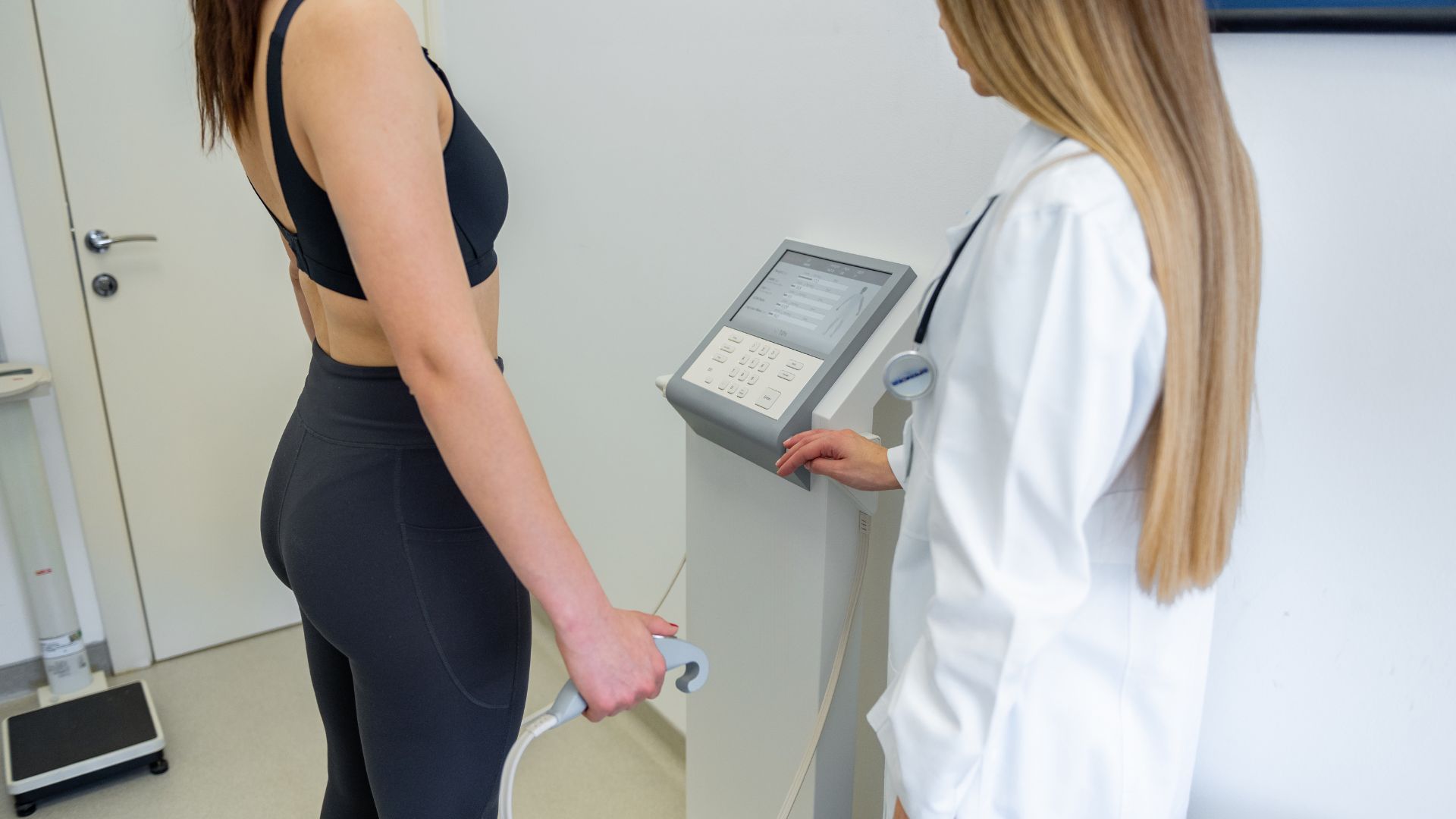
Even if body weight stays the same, changes in muscle-to-fat ratio can influence how weight is gained or lost. It can also influence how the body responds to previous strategies.
Hormonal Shifts Affect Body Composition
For women, hormonal changes during perimenopause and menopause can significantly influence fat distribution rather than just total body weight. The connection between hormones and weight gain women experience is often related to lower or fluctuating estrogen levels. These are commonly associated with increased abdominal fat storage.
Understanding weight gain after 40 hormones helps explain why many women notice changes in where their body stores fat. Remember, hormones influence metabolism, appetite regulation, and fat storage—but they are one factor among many. They’re usually not the sole explanation for weight changes.
Sleep and Stress Play a Larger Role After 40
Sleep quality often declines during midlife, and chronic stress becomes more common due to work, family responsibilities, or health concerns. Both sleep disruption and stress can influence appetite signals, energy regulation, and recovery.
These factors do not directly cause weight gain, but they can make weight management feel more difficult and less predictable.
Daily Movement Often Decreases Subtly

Even when formal exercise routines stay consistent, overall daily movement tends to decrease with age. Sitting more, recovering more slowly, or reducing incidental activity can affect total energy use without being obvious.
These subtle changes add up over time and may contribute to gradual weight gain or stalled weight loss.
Why Old Weight-Loss Strategies May Stop Working
Many people find that strategies that worked well in their 20s or 30s are less effective after 40. This does not mean the body is “broken”—it means the body has changed.
Metabolism, recovery, hormones, and lifestyle demands all interact differently at this stage, requiring a more informed and individualized perspective.
Weight Changes After 40 Are Not a Personal Failure
One of the most important points to understand is that weight changes after 40 are biological and systemic. They are not a reflection of willpower or effort.
Viewing weight through a health and physiology lens—rather than a blame-based one—supports better long-term wellbeing and more realistic expectations.
When to Consider Professional Evaluation
Unexpected or rapid weight changes, especially when combined with fatigue, sleep disruption, or mood changes, may warrant professional evaluation.
Healthcare providers can help determine whether weight changes are related to hormonal transitions, metabolic factors, or other health considerations.
Some people use GLP-1 receptor agonists for weight loss. While effective for some, these medications carry specific risks, such as significant loss of muscle mass and bone density. This is especially concerning during perimenopause and menopause. At this stage, protecting bone and muscle health is a priority. Rapid loss of these tissues can be detrimental to long-term metabolic health. Any use of these medications requires careful medical supervision and lifestyle support.
How This Fits Into Metabolic Wellness
Weight changes after 40 are closely connected to metabolism, muscle health, hormones, sleep, and stress. Understanding how these systems interact supports a more compassionate and informed approach to midlife health.
👉 To learn about hormone therapy and its connection to weight management and metabolic health, explore our next guide.
Key Takeaways
Weight loss often becomes harder after 40 due to natural metabolic changes, muscle loss, hormonal shifts, sleep disruption, and lifestyle factors. These changes are common and multifactorial. Understanding the reasons behind them supports informed, sustainable health decisions.
Continuing Your Learning
Want to continue exploring the connection between hormones and midlife weight changes? You may find it helpful to learn more about hormone therapy and metabolic health or hormone therapy and muscle retention for women as they age.
Each of these topics builds on the foundation outlined here.
Ready to Address Weight Changes After 40?
At Expect Wellness, we understand the complex relationship between hormones and weight gain women face during midlife transitions.
Our personalized approach addresses the root causes of weight gain after 40, metabolism changes, and other factors that may be contributing. We’ll work with you to create a comprehensive plan that helps you feel confident in your body again.