

Troches, Creams, or Pellets: Which BHRT Method Is Right?
When bioidentical hormone therapy (BHRT) is discussed, one of the most common questions women have is about delivery methods. Troches, creams, and pellets are among the types of BHRT delivery methods typically considered. Each type has its own characteristics, benefits, and limitations.
This BHRT methods comparison guide breaks down how BHRT delivery methods differ. We’ll explore what factors are typically considered when discussing different methods, and why there’s no universally “right” option for everyone.
This article is intended for general educational purposes only and does not replace professional medical advice, diagnosis, or treatment.
Why Delivery Method Matters in BHRT

The way hormones are delivered can influence how they are absorbed, how consistently they enter the bloodstream, and how flexible dosing adjustments may be. Delivery method does not determine whether BHRT is appropriate—it influences how therapy is managed once it is considered.
Healthcare providers evaluate types of BHRT delivery options based on symptoms, lifestyle, health history, and monitoring preferences rather than convenience alone.
What Are BHRT Troches?
Troches are small, lozenge-like tablets that dissolve under the lip or tongue or between the cheek and gum. They allow hormones to be absorbed through oral tissues.
Troches are often discussed when flexible dosing or daily administration is preferred. Because they are taken regularly, adjustments can be made more easily if symptoms or tolerance change. However, consistency in use is important for predictable absorption.
What Are BHRT Creams?
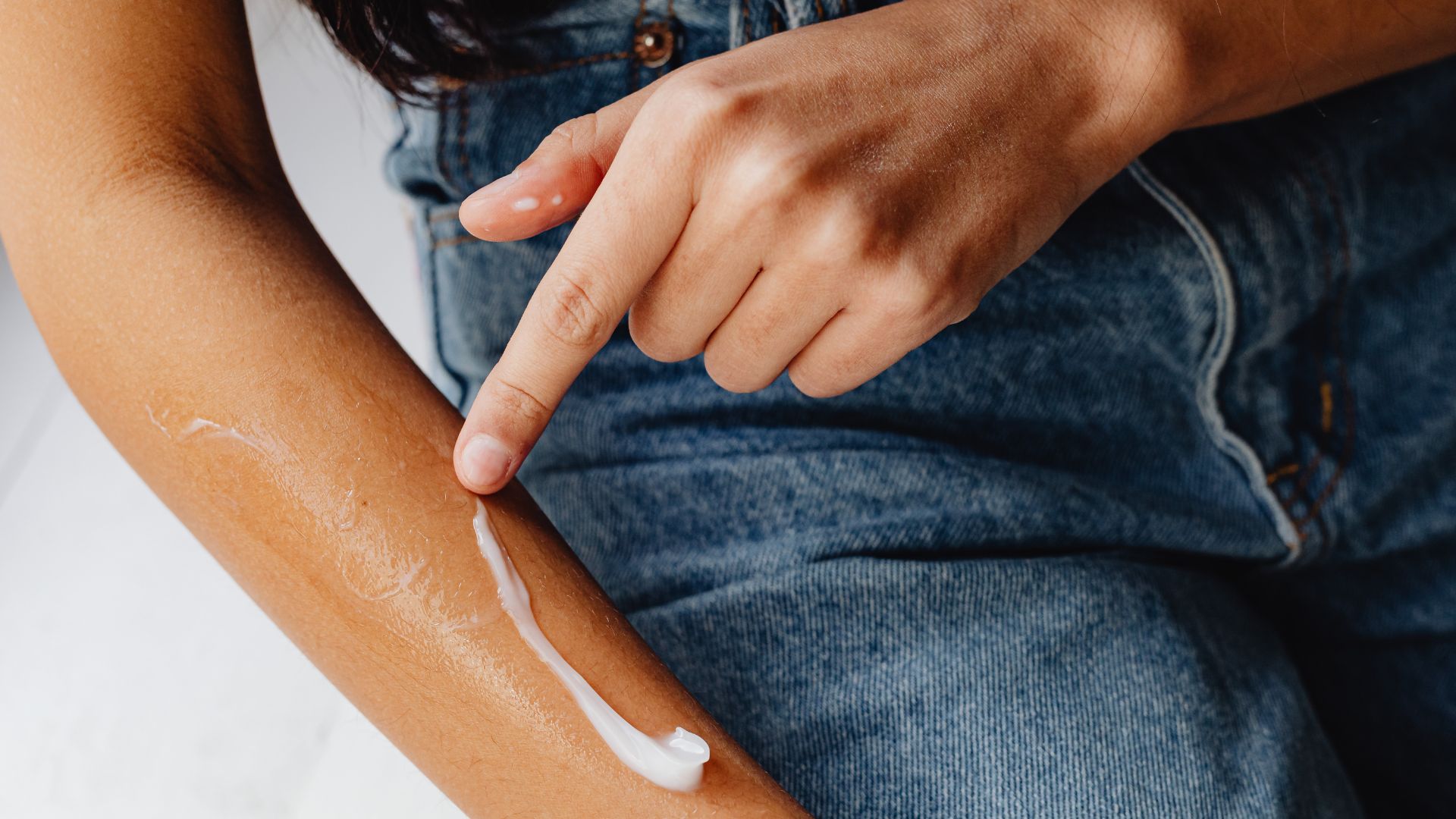
BHRT creams are topical formulations applied to the skin. Hormones are absorbed transdermally, bypassing the digestive system.
Creams are often discussed for their ease of application and dosing flexibility. Absorption can vary depending on skin condition, application site, and consistency of use. For example, long-term use can lead to a challenge called dermal fatigue. This occurs when the skin becomes saturated and absorption levels drop. As a result, your symptoms may begin to return. Proper site rotation and consistent monitoring help prevent this issue and others like it.
What Are BHRT Pellets?
Pellets are small, solid implants placed under the skin by a trained healthcare professional. They release hormones gradually over time, often for several months.
Pellets are sometimes discussed for individuals who prefer less frequent dosing and more stable hormone delivery. Because pellets are not adjusted daily, changes require waiting for hormone levels to shift over time.
Other Delivery Methods
While several options exist, not all delivery methods are equal. For example, oral estrogen tablets are sometimes discussed. However, oral estrogens are generally not recommended. They must pass through the liver, which can cause health risks. This process may increase the risk of blood clots or liver strain.
In some cases, healthcare providers may also discuss injectable hormones. These are typically used when very specific dosing or rapid absorption is required. Like all methods, injectables require strict professional oversight to ensure safety.
BHRT Methods Comparison: Key Differences Between Troches, Creams, and Pellets
The primary differences between these methods involve dosing flexibility, frequency, and reversibility. Troches and creams generally allow for more frequent adjustments, while pellets emphasize consistency over time.
Lifestyle factors also play a role. Daily routines, comfort with self-administration, and follow-up preferences can influence which options are discussed.
Safety, Monitoring, and Medical Oversight
Regardless of types of BHRT delivery methods, BHRT requires professional oversight and monitoring. The hormone delivery method does not eliminate the need for follow-up, symptom review, or safety evaluation.
Monitoring helps providers assess how the body responds over time and whether adjustments—or alternative approaches—should be considered.
Why There Is No “Best” BHRT Method
Each BHRT delivery method has advantages and limitations, and no single option is universally best. What works well for one person may not work well for another. This is due to differences in absorption, tolerance, lifestyle, and health considerations.
This is why discussions around BHRT methods are typically individualized and revisited over time.
Questions Often Discussed With Providers

When exploring BHRT methods comparison, healthcare providers may discuss factors such as symptom patterns, convenience, and ability to adjust dosing. They may also discuss long-term management preferences.
Asking informed questions helps ensure that decisions are based on understanding rather than assumptions.
How Delivery Methods Fit Into BHRT Decision-Making
Choosing a BHRT delivery method is part of a broader decision-making process. This process includes whether hormone therapy is appropriate at all, how symptoms are monitored, and how risks are evaluated.
👉 To see how BHRT methods fit into the full decision process, explore our complete guide to navigating BHRT with your healthcare provider.
Key Takeaways
Troches, creams, and pellets are different ways that hormones may be delivered when BHRT is considered. Each method differs in dosing frequency, flexibility, and management. There is no single “right” option—choices are based on individual needs and professional evaluation.
Continuing Your Learning
If you are exploring BHRT further, you may find it helpful to learn about BHRT safety considerations, how hormone levels are monitored, and how BHRT plans are adjusted over time.
Each of these topics builds on the foundation outlined here.
Ready to Discover Your Best BHRT Option?
Choosing the right BHRT delivery method is a personalized decision that depends on your unique lifestyle, symptoms, and preferences. At Expect Wellness, we work with you to evaluate all your options to find the approach that fits your life.
Schedule a consultation today to discuss which BHRT method is right for you and how it fits into a broader wellness plan.